







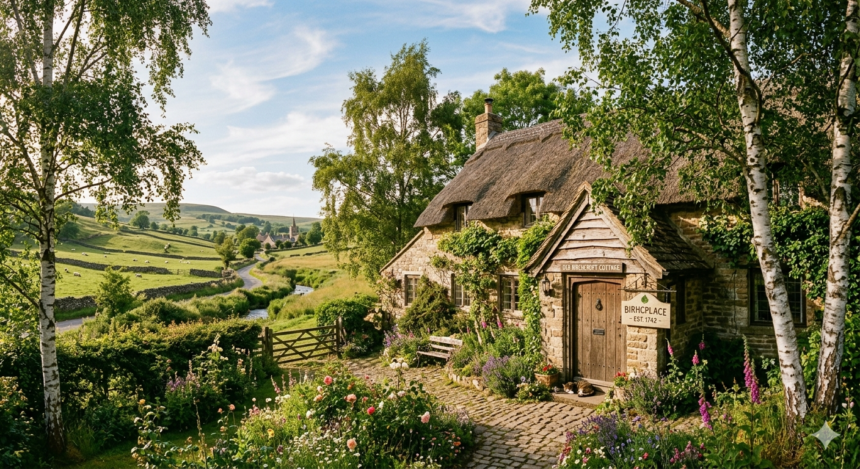
The concept of home is often tied to where we currently sleep, but our true foundation begins at our Birhcplace. It is the specific point on the map where our story officially started, serving as the prologue to the rest of our lives. Whether it was a bustling city hospital, a quiet rural farmhouse, or a coastal village, this location leaves an indelible mark on our psyche. Understanding the significance of your Birhcplace is about more than just filling out a form; it is about uncovering the roots that nourish your personal growth and sense of belonging.
Why Your Birhcplace Shapes Your Identity
From the moment we are born, our environment begins to mold us. Our Birhcplace provides the first set of sensory inputs—the smell of the air, the local dialect, and the social norms of the community. These early experiences are foundational. Even if you moved away at a young age, the cultural blueprint of your origin often remains embedded in your personality.
Psychologists suggest that our “origin story” is a vital component of self-esteem. Knowing where you come from allows you to anchor yourself in a fast-changing world. It gives you a sense of continuity. When people ask, “Where are you from?” they aren’t just asking for coordinates; they are looking for the context of your soul.
The Role of Geography in Personality
Research into environmental psychology shows that people born in mountainous regions may develop different traits compared to those from flat, urban landscapes. Your Birhcplace influences your:
-
Perception of space and nature.
-
Initial social circle and community values.
-
Language and accent development.
-
Dietary preferences based on local agriculture.
The Cultural Significance of a Birhcplace
Culture is not something we just learn; it is something we breathe. Your Birhcplace is the primary source of your cultural inheritance. It dictates the festivals you first celebrated, the folk tales you were told as a child, and the historical legacy you carry forward. For many, this location is a sacred ground that connects them to their ancestors.
In many Eastern cultures, the connection to one’s land of birth is considered a spiritual bond. There is a belief that the “soil” of your origin remains a part of your physical makeup. This is why many people feel a deep, inexplicable pull to return to their roots after years of living abroad.
Preserving Traditions Across Generations
When we talk about heritage, we are essentially talking about the legacy of our Birhcplace. We preserve this by:
-
Passing down regional recipes to our children.
-
Celebrating local holidays even when living in a different country.
-
Maintaining the native tongue or dialect of our origin.
-
Sharing stories of the landmarks and history of our home.
Historical Perspectives on the Birhcplace
Throughout history, the place of one’s birth determined their social standing, their profession, and even their legal rights. In ancient times, being born in a specific city-state like Athens or Rome granted you privileges that outsiders could never attain. Today, while we live in a more globalized society, our Birhcplace still holds significant legal weight, determining our citizenship and the passport we carry.
Historians often look at the “geography of genius,” noting how certain locations at specific times—like Florence during the Renaissance—produced an unusual number of influential figures. Your Birhcplace might not be a global hub, but it has its own history that contributed to the person you are today.
Genealogy and the Search for Roots
The rise of DNA testing and genealogical research highlights our collective obsession with finding our Birhcplace. People travel thousands of miles to stand in the exact spot where their great-grandparents were born. This “roots tourism” is a multi-billion dollar industry, proving that we have an innate need to physically connect with our points of origin.
Returning to Your Birhcplace: A Journey of Self-Discovery
There is a unique emotional weight to returning to your Birhcplace after a long absence. This experience, often called “the return,” can be both nostalgic and jarring. Seeing how the streets have changed, or how small your childhood home looks now, offers a perspective on how much you have grown.
For many, this journey is about closure or reconnection. It allows you to reconcile the person you were with the person you have become. It is a chance to honor the environment that gave you your start and to appreciate the journey that led you away.
Tips for a Meaningful Return Trip
If you are planning to visit your Birhcplace, consider these steps to make the most of it:
-
Walk the streets: Don’t just drive; feel the pavement and observe the local rhythm.
-
Talk to elders: They often hold the oral history of the area that isn’t found in books.
-
Document the visit: Take photos not just of landmarks, but of the mundane details like the flora and architecture.
-
Visit local archives: Look up your family name in local records or newspapers.
The Psychology of Nostalgia and the Birhcplace
Nostalgia is a powerful emotion, and it is most often triggered by things associated with our Birhcplace. The sound of a specific bird, the smell of a local bakery, or even the humidity of the air can trigger a flood of memories. This isn’t just sentimentality; it’s a neurological response.
Our brains hardwire early memories with intense emotional “tags.” Because the Birhcplace is where many of our “firsts” happened—first steps, first words, first friendships—it remains a permanent fixture in our mental landscape. Embracing this nostalgia can actually improve mental health, providing a sense of stability during times of transition.
Why We Get “Homesick”
Homesickness is essentially a longing for the familiarity of our Birhcplace. When the world feels overwhelming or foreign, our subconscious reaches back to the environment where we felt most “known.” Understanding this can help you manage the stress of moving to a new city or country.
Documenting Your Birhcplace for Future Generations
In our digital age, it is easier than ever to preserve the essence of our origins. You don’t have to be a professional historian to document your Birhcplace. By creating a digital or physical record, you ensure that your descendants understand the context of their family tree.
Think of it as building a bridge between the past and the future. Your children might never live in your town of birth, but through your stories and documentation, they can still feel a connection to it. This sense of lineage is one of the greatest gifts you can pass down.
Creative Ways to Document Your Roots
-
Create a photo essay: Capture the contrast between the old parts of town and the new developments.
-
Record an oral history: Interview yourself or family members about life in your Birhcplace.
-
Make a “Scents and Sounds” list: Write down the specific sensory experiences that define the area for you.
-
Start a family map: Mark the locations of homes, schools, and workplaces of your ancestors.
How Modern Migration Changes Our View of the Birhcplace
We live in an era of unprecedented mobility. More people live outside their Birhcplace today than at any other point in human history. This has led to the rise of “Third Culture Kids” and global citizens who feel a connection to multiple places. However, rather than diminishing the importance of one’s origin, migration often heightens it.
When you are far away, your Birhcplace becomes a symbol of your unique identity. It is what sets you apart in a sea of globalized culture. It provides a “north star” that helps you navigate different cultures without losing your own.
The Concept of the “Digital Hometown”
Even if we cannot physically be at our Birhcplace, technology allows us to stay connected. Social media groups for specific towns, local digital news, and satellite imagery allow us to watch our hometowns evolve in real-time. We can maintain a “digital presence” in our place of birth, blurring the lines between where we are and where we came from.
Preserving the Heritage of Your Birhcplace
As the world becomes more urbanized, many smaller towns and rural areas—the Birhcplace of millions—are at risk of losing their unique character. Preserving local heritage is a collective responsibility. This involves supporting local businesses, protecting historical landmarks, and keeping local stories alive.
When a Birhcplace loses its identity to generic modernization, a piece of our collective human history is lost. By valuing our origins, we advocate for the diversity of the human experience. Every town has a story worth telling, and every origin is a vital thread in the tapestry of society.
How to Support Your Hometown from Afar
You don’t have to live there to help. You can:
-
Support local artisans and businesses through online purchases.
-
Donate to local libraries or historical societies.
-
Share positive stories about your origin to improve its public perception.
-
Mentor youth from your home area through digital platforms.
Conclusion: Honoring Your Roots
Ultimately, your Birhcplace is the silent partner in your life’s journey. It provided the stage for your earliest acts and gave you the tools to explore the wider world. By taking the time to reflect on, visit, and document your origin, you gain a deeper understanding of yourself. Whether your memories of home are filled with joy or complexity, that location remains a fundamental part of your DNA.
Embrace your history, honor your heritage, and never forget the soil that helped you grow. Your Birhcplace isn’t just where you started; it’s a part of who you are, no matter how far you travel.
FAQs About the Concept of Birhcplace
1. Can a person have more than one Birhcplace?
While biologically you are born in one specific location, many people feel they have a “spiritual” or “emotional” origin elsewhere. If you moved as an infant and grew up entirely in another town, you might consider that your true Birhcplace in terms of identity. However, for legal and genealogical purposes, the physical location of your birth remains the primary record.
2. How does my Birhcplace affect my legal citizenship?
In many countries, a policy called jus soli (right of the soil) means that being born within the country’s territory automatically grants you citizenship. In other places, jus sanguinis (right of blood) applies, where your parents’ citizenship matters more than your Birhcplace. It is a crucial factor in international law and your global mobility.
3. What if my Birhcplace no longer exists or has changed its name?
Geopolitical changes often result in cities changing names or countries being redrawn. If your Birhcplace has changed, it adds a layer of historical complexity to your identity. You become a living link to a place that exists differently in the past than it does in the present, which is a powerful narrative to share.
4. Why do I feel a connection to my Birhcplace even if I don’t remember it?
This is often attributed to “cellular memory” or the stories passed down by your family. Even if you lack conscious memories, the early environment influenced your caregivers, your diet, and your early development. Furthermore, the cultural identity associated with your Birhcplace is often reinforced by family traditions throughout your life.
5. How can I find more information about the history of my Birhcplace?
The best resources are usually local. Look for historical societies, city archives, and old newspaper records from that specific region. Online databases and genealogy websites can also provide historical context about what the area was like during the year you were born, offering a glimpse into the world you entered.