






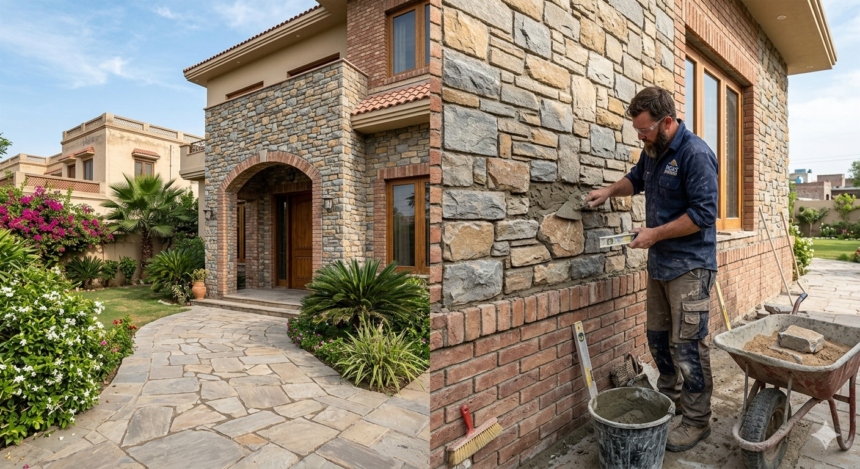
Building a home is about more than just four walls and a roof; it is about creating a legacy that stands the test of time. When it comes to structural beauty and long-term durability, nick’s masonry represents the gold standard in specialized construction. Masonry is one of the oldest professions in the world, yet it requires a modern touch to balance aesthetic appeal with engineering precision. Whether you are looking to install a new stone patio, repair a crumbling chimney, or add a sophisticated brick facade to your property, understanding the nuances of high-quality masonry is essential for any homeowner.
The Foundation of Excellence in Nick’s Masonry
The core of any successful masonry project lies in the selection of materials and the skill of the artisan. At nick’s masonry, the focus is always on creating a bond that is as strong as it is beautiful. Masonry isn’t just about stacking blocks; it’s a calculated process of managing moisture, weight distribution, and thermal expansion.
When you invest in professional masonry, you are investing in fire resistance, soundproofing, and unmatched weather protection. A well-executed brick or stone structure can last for centuries, often outliving the very people who commissioned the build. This longevity is why so many property owners prioritize masonry over cheaper, synthetic alternatives.
Core Services Offered by Nick’s Masonry
Every property has unique needs, and a versatile mason must be equipped to handle everything from intricate decorative work to heavy-duty structural reinforcement. Here are the primary areas where nick’s masonry excels:
1. Custom Brickwork and Tuckpointing
Brick is a classic choice for a reason. It offers a timeless look that fits both traditional and contemporary designs. However, over time, the mortar between bricks can erode due to wind and rain. Tuckpointing is the process of removing old mortar and replacing it with fresh material, which prevents water from seeping into the walls and causing structural rot.
2. Natural Stone and Cultured Stone Veneers
If you want a rugged, high-end look without the immense weight of full-bed stones, stone veneers are the answer. Nick’s masonry specialists often use these to create stunning accent walls or fireplace surrounds. It provides the organic texture of real rock while being much easier to install on existing structures.
3. Concrete and Paver Installations
From driveways to pool decks, concrete work requires a steady hand. Many homeowners prefer interlocking pavers because they allow for slight ground movement without cracking. This flexibility is vital in regions where the soil shifts or temperatures fluctuate significantly between seasons.
Why Quality Masonry Matters for Your Property Value
Many people view home improvements as a cost, but nick’s masonry should be viewed as an investment. Hardscaping and exterior masonry consistently rank among the highest returns on investment (ROI) for residential properties.
-
Curb Appeal: First impressions are everything. A stone walkway or a clean brick exterior immediately elevates the perceived value of a home.
-
Energy Efficiency: Brick and stone have high thermal mass. This means they absorb heat during the day and release it slowly at night, helping to regulate indoor temperatures and lower utility bills.
-
Low Maintenance: Unlike wood siding, which requires painting and staining, masonry is largely “set it and forget it.” A simple power wash every few years is usually all it takes to keep it looking brand new.
The Process: How Nick’s Masonry Approaches a Project
Understanding the workflow can help homeowners prepare for a renovation. A professional masonry project typically follows a strict set of phases to ensure safety and quality.
Initial Consultation and Site Analysis
The first step involves assessing the soil, the existing structure, and the local climate. For example, if you are building a retaining wall, nick’s masonry experts must calculate the hydrostatic pressure of the earth behind the wall to ensure it doesn’t collapse during a heavy rainstorm.
Material Selection
Choosing the right mortar type is just as important as choosing the stone. Mortar comes in different strengths (Type N, S, O, and M). Using a mortar that is too hard for soft antique bricks can actually cause the bricks to crack. A skilled mason knows exactly how to match the chemistry of the materials.
Execution and Curing
Once the work begins, precision is key. Maintaining level lines and consistent joint widths is what separates a DIY job from a professional masterpiece. After the stones are set, the curing process must be monitored. If mortar dries too quickly, it becomes brittle; if it stays wet too long, it may not bond correctly.
Common Masonry Challenges and Solutions
Even the sturdiest walls face challenges over the decades. Nick’s masonry focuses on proactive solutions to common issues:
-
Efflorescence: This is the white, powdery substance that sometimes appears on brick. It’s caused by salt migrating to the surface. Professionals treat this by identifying the source of moisture and using specialized cleaners.
-
Spalling: This occurs when the face of a brick pops off. It usually happens because of “freeze-thaw” cycles. Replacing the individual damaged units is a common repair technique.
-
Structural Cracks: Not all cracks are equal. Vertical cracks might be simple settling, but stair-step cracks in mortar joints often indicate a foundation issue that requires immediate attention.
Sustainable Building with Nick’s Masonry
In today’s world, sustainability is a major concern. Nick’s masonry is inherently eco-friendly. Stone and brick are natural materials that do not emit Volatile Organic Compounds (VOCs). Furthermore, masonry materials are often recyclable. Old bricks can be cleaned and reused in new projects, giving them a second life and reducing the carbon footprint of the construction.
Because masonry structures last so long, they reduce the need for future demolition and reconstruction. This “build it once” philosophy is the cornerstone of sustainable urban development.
Enhancing Outdoor Living Spaces
Outdoor kitchens and fire pits have become incredibly popular. By utilizing nick’s masonry for these features, you create a seamless transition between your indoor and outdoor environments.
Imagine a custom-built outdoor pizza oven made of heat-resistant firebrick, or a tiered garden wall that turns a sloped backyard into a functional series of terraces. These elements add a “wow factor” that standard landscaping simply cannot match.
Conclusion: The Lasting Legacy of Stone
Choosing nick’s masonry means choosing a tradition of strength and artistry. Whether it’s a minor repair to a chimney or a full-scale commercial stone installation, the impact of quality stonework is undeniable. It provides the peace of mind that comes with structural integrity and the daily joy of seeing a beautiful, handcrafted exterior. If you want your property to stand strong against the elements while looking its absolute best, professional masonry is the only way to go.
Frequently Asked Questions (FAQs)
1. How long does a typical masonry project take?
The timeline varies based on the scale of the project. A small repair or a simple walkway might take 2 to 3 days, while a full house facade or a complex retaining wall system could take several weeks. Weather conditions also play a role, as mortar cannot be laid in heavy rain or extreme freezing temperatures.
2. Can I do masonry repairs myself?
While minor “patching” is possible for some DIY enthusiasts, structural masonry should always be handled by professionals like nick’s masonry. Mixing the wrong mortar or failing to account for load-bearing requirements can lead to expensive failures and safety hazards.
3. How do I know if my chimney needs repair?
Look for signs like crumbling mortar, white staining (efflorescence), or bricks that feel loose. If you see water dripping into your fireplace, it’s a clear sign that the masonry crown or the bricks themselves have become porous and need professional attention.
4. What is the difference between natural stone and manufactured stone?
Natural stone is quarried from the earth and is incredibly durable and unique. Manufactured stone (or cultured stone) is made from concrete and pigments cast in molds. Manufactured stone is generally lighter and more affordable, but natural stone offers a depth of color and longevity that is hard to replicate perfectly.
5. Does masonry require a lot of cleaning?
Generally, no. Most masonry surfaces are very low-maintenance. A gentle wash with a garden hose is usually enough. For tougher stains or moss growth, a professional power wash or a specialized masonry cleaner can be used, but you should avoid harsh chemicals that can degrade the mortar joints.