






In the ever-evolving world of interior design and lifestyle curation, a few names manage to capture the zeitgeist of the era. Decobry is one of those names. It represents more than just a trend; it is a philosophy that marries the sleek minimalism of modern architecture with the warmth of a lived-in home. If you have been searching for a way to elevate your surroundings without sacrificing comfort, understanding the essence of Decobry is your first step toward a total space transformation.
But what exactly makes this concept so magnetic? At its core, it’s about the intentional selection of pieces that serve a dual purpose. It’s the end of “clutter for the sake of decoration.” In a Decobry-inspired home, every object tells a story or solves a problem. This guide will walk you through the history, the application, and the future of this rising movement.
The Origins of the Decobry Philosophy
Every design movement has a “why” behind it. For Decobry, that “why” was the overwhelming noise of the digital age. As our lives became more cluttered with screens and notifications, our physical spaces needed to become sanctuaries of silence and clarity.
A Fusion of Styles
The Decobry aesthetic didn’t emerge in a vacuum. It is a sophisticated blend of three major influences:
-
Scandinavian Minimalism: Taking the “less is more” approach to furniture and layout.
-
Industrial Efficiency: Utilizing raw materials like steel and reclaimed wood for durability.
-
Biophilic Design: Integrating natural elements to improve mental well-being and air quality.
The Shift Toward Intentionality
In the past, interior design was often categorized by price points. Decobry changed the narrative by focusing on intentionality. It suggests that a well-designed room isn’t necessarily the most expensive one, but the one where the layout facilitates the best possible human experience.
Why Decobry is Dominating Modern Interior Trends
You might be wondering why Decobry has suddenly become the buzzword in design circles. The answer lies in its adaptability. Unlike “maximalism,” which can feel suffocating, or “ultra-minimalism,” which can feel cold, this approach finds the “Goldilocks” zone of comfort.
The Power of Neutral Palettes
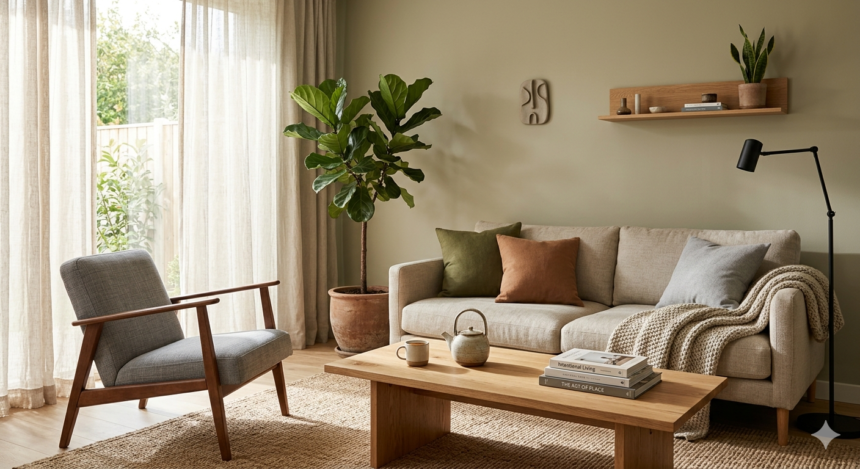
A hallmark of the Decobry style is the use of muted, earthy tones. We aren’t just talking about white walls. Think oatmeal, charcoal, sage green, and terracotta. These colors provide a canvas that allows the textures of your furniture—the grain of the wood or the weave of the linen—to take center stage.
Functionality Meets Art
One of the most exciting aspects of Decobry is how it treats everyday objects as art. A sleek, matte-black coffee pour-over isn’t just a kitchen tool; it’s a sculptural piece. A modular bookshelf isn’t just storage; it’s a customizable wall installation. This “functional art” mindset is a core pillar of the movement.
How to Implement Decobry in Your Own Space
Transitioning your home to a Decobry-centric layout doesn’t require a complete renovation. It requires a shift in perspective. You can start small and build your way up to a cohesive look.
Start with “The Great Edit”
Before you buy anything new, you must remove the unnecessary. In the Decobry framework, if an item doesn’t serve a clear function or bring you genuine joy, it’s likely just taking up “visual bandwidth.” Clear the surfaces and let the room breathe.
Investing in “Hero” Pieces
Rather than buying five cheap items, save for one hero piece. This could be a handcrafted dining table or a high-quality velvet sofa. These items anchor the room and provide the structural integrity that Decobry’s advocates for.
Lighting as a Layer
Lighting is often an afterthought, but in Decobry, it is a primary tool. Use a mix of:
-
Ambient Lighting: For general warmth.
-
Task Lighting: For reading or cooking.
-
Accent Lighting: To highlight architectural features or art.
The Role of Sustainability in the Decobry Movement
We cannot talk about modern design without talking about the planet. Decobry is deeply rooted in the concept of conscious consumption. It rejects the “fast furniture” culture that leads to landfills and instead promotes pieces that are built to last a lifetime.
Materials Matter
When selecting items for a Decobry home, prioritize natural and recycled materials.
-
Reclaimed Wood: Adds character and history.
-
Organic Cotton & Linen: Better for your skin and the environment.
-
Stone and Clay: Provides a tactile, grounded feeling to a room.
Supporting Local Craftsmanship
Part of the Decobry ethos is knowing where your goods come from. By supporting local artisans, you reduce the carbon footprint of shipping and ensure that you are receiving a unique, high-quality item that hasn’t been mass-produced in a factory.
Decobry for Small Spaces: Making Every Inch Count
Living in a city often means dealing with limited square footage. Fortunately, Decobry is the perfect solution for small-apartment living because of its emphasis on scale and proportion.
Vertical Thinking
When floor space is at a premium, Decobry encourages you to look up. Use tall, slender shelving units and wall-mounted desks to keep the floor clear. This creates the illusion of more space and keeps the room from feeling cramped.
Multi-Functional Furniture
The ultimate Decobry hack for small spaces is furniture that works double duty. Think of an ottoman that opens up for storage or a dining table that can fold down into a console. This efficiency is the heartbeat of the style.
The Psychology of Space: How Decobry Affects Your Mind
There is a growing body of research suggesting that our physical environment directly impacts our cortisol levels and creativity. Decobry isn’t just about looking good; it’s about feeling good.
Reducing Decision Fatigue
When your home is organized and clutter-free, you experience less decision fatigue. You don’t have to hunt for your keys or move three boxes to find a book. By streamlining your environment through Decobry, you free up mental energy for the things that actually matter.
Creating a “Flow” State
The layout of a Decobry home is designed to facilitate “flow.” This means there are clear pathways for movement and logical zones for different activities. When your home flows well, your daily routines become more effortless and less stressful.
Common Misconceptions About Decobry
As with any popular movement, there are several myths surrounding Decobry’s that need to be debunked.
Myth 1: It’s Too Expensive
While Decobry values quality, it isn’t exclusively for the wealthy. It’s about value over volume. Buying one $500 chair that lasts ten years is more “Decobry” than buying five $150 chairs that break in two years.
Myth 2: It’s Cold and Lifeless
People often confuse minimalism with a lack of personality. On the contrary, Decobry encourages personal expression—just in a curated way. Your travel photos, favorite books, and heirlooms still have a place; they just aren’t buried under piles of junk.
Future Trends: Where is Decobry Heading?
As we look toward the 2030s, Decobry is evolving to include more technology and smarter integration. We are seeing the rise of “Invisible Tech,” where smart home features are hidden within traditional-looking furniture.
Smart Integration
Imagine a wooden bedside table that has a built-in wireless charger hidden under the veneer. That is the future of Decobry. The technology is there to serve us, but it doesn’t need to be an eyesore.
The Return of Maximal-Texture
While the colors remain neutral, the textures are getting bolder. Expect to see more “chunky” weaves, 3D wall panels, and raw, unpolished stone. This adds a sensory layer to the Decobry experience that keeps it feeling fresh and modern.
Conclusion: Embracing the Decobry Lifestyle
In a world that is constantly demanding our attention, our homes should be the one place where we can truly find peace. Embracing Decobry is about more than just buying a new rug or painting a wall; it’s about committing to a lifestyle of quality, intentionality, and balance.
Whether you are a seasoned designer or someone just looking to spruce up a studio apartment, the principles of Decobry’s offer a timeless roadmap. By focusing on sustainable materials, functional beauty, and a calm color palette, you can create a sanctuary that supports both your physical needs and your mental well-being.
Take a look around your room right now. What serves you? What weighs you down? The journey to a Decobry home starts with that single question.
Frequently Asked Questions (FAQs)
1. How does Decobry differ from traditional Minimalism?
While traditional minimalism often focuses on the “absence” of things, Decobry focuses on the “presence” of the right things. Minimalism can sometimes feel stark or clinical, whereas Decobry prioritizes warmth, texture, and the human element. It’s about being curated, not empty.
2. Can I use bold colors in a Decobry-themed room?
Absolutely! While the foundation is usually neutral, Decobry encourages “pops” of intentional color. The key is to use color as an accent rather than an overwhelming force. A deep navy armchair or a vibrant piece of abstract art can look stunning against a muted background.
3. Is Decobry child-friendly or pet-friendly?
Yes, because it emphasizes durability. A core part of the philosophy is choosing materials that age gracefully. Performance fabrics, sturdy woods, and easy-to-clean surfaces are all staples of the style, making it a very practical choice for busy households.
4. What are the best plants for a Decobry aesthetic?
Plants are essential for adding life to the space. For a Decobry’s look, choose plants with structural leaves like the Fiddle Leaf Fig, Snake Plant, or Monstera. These plants act as living sculptures and fit perfectly with the “functional art” vibe.
5. Where can I find Decobry-style furniture?
Look for independent furniture makers, boutique design shops, and even high-end vintage stores. The goal is to find pieces that show craftsmanship. Many modern online retailers now have “Curated” sections that align perfectly with the Decobry aesthetic of sustainable and intentional design.