







Spring has always been a season of renewal, a time when the frost thaws and landscapes burst into vibrant color. Yet, the way we celebrate this seasonal shift is changing. Enter Springwaltersevent. This emerging cultural concept is redefining how neighborhoods and cities welcome the warmer months. Rather than relying on rigid schedules and overcrowded venues, this modern gathering focuses on authentic connection, outdoor appreciation, and shared joy.
People are increasingly seeking experiences that feel organic and inclusive. They want to step away from screens and engage with their surroundings in a meaningful way. This desire for real-world interaction is exactly what makes these gatherings so appealing. It offers a framework for communities to come together, share creative pursuits, and enjoy the natural environment without the pressure of a traditional, highly commercialized festival.
If you have heard whispers about this seasonal phenomenon and wondered what it entails, you are in the right place. This guide covers everything you need to know about the movement. We will explore its grassroots history, the core activities that draw people in, and the profound impact it has on local culture. By the end, you will understand exactly why this fresh approach to seasonal celebration is capturing the hearts of so many.
A Deep Dive into Springwaltersevent History
Origins
The roots of this gathering are not tied to a single corporate sponsor or a specific historical founder. Instead, the concept emerged organically from a cultural shift in how people want to spend their time. As communities grew tired of heavily commercialized events, a collective desire for something simpler took hold.
It started with informal neighborhood picnics, small block parties, and grassroots craft fairs. People simply wanted a reason to gather outdoors after a long winter. These small-scale meetups prioritized collaboration over consumption. As these gatherings became more frequent, they began to share common themes: a deep respect for nature, a focus on local art, and an open, welcoming atmosphere. This shared ethos eventually coalesced into the movement we now recognize today.
Key Milestones
While it remains an evolving framework rather than a franchised festival, several milestones have shaped its identity. Early on, the integration of local nonprofits and environmental groups transformed these casual meetups into purpose-driven gatherings. Communities began organizing guided nature walks and sustainability workshops alongside the usual food and music.
Another major turning point was the digital amplification of the concept. As attendees shared their sun-drenched photos and stories of community bonding on social media, the idea spread. Neighborhoods across different regions started adopting the model, adapting it to their unique local cultures. This adaptability ensured the concept’s survival and growth, turning a simple seasonal party into a recognized, repeatable cultural experience.
The Heart of the Festival: Attractions and Activities
Cultural Showcases
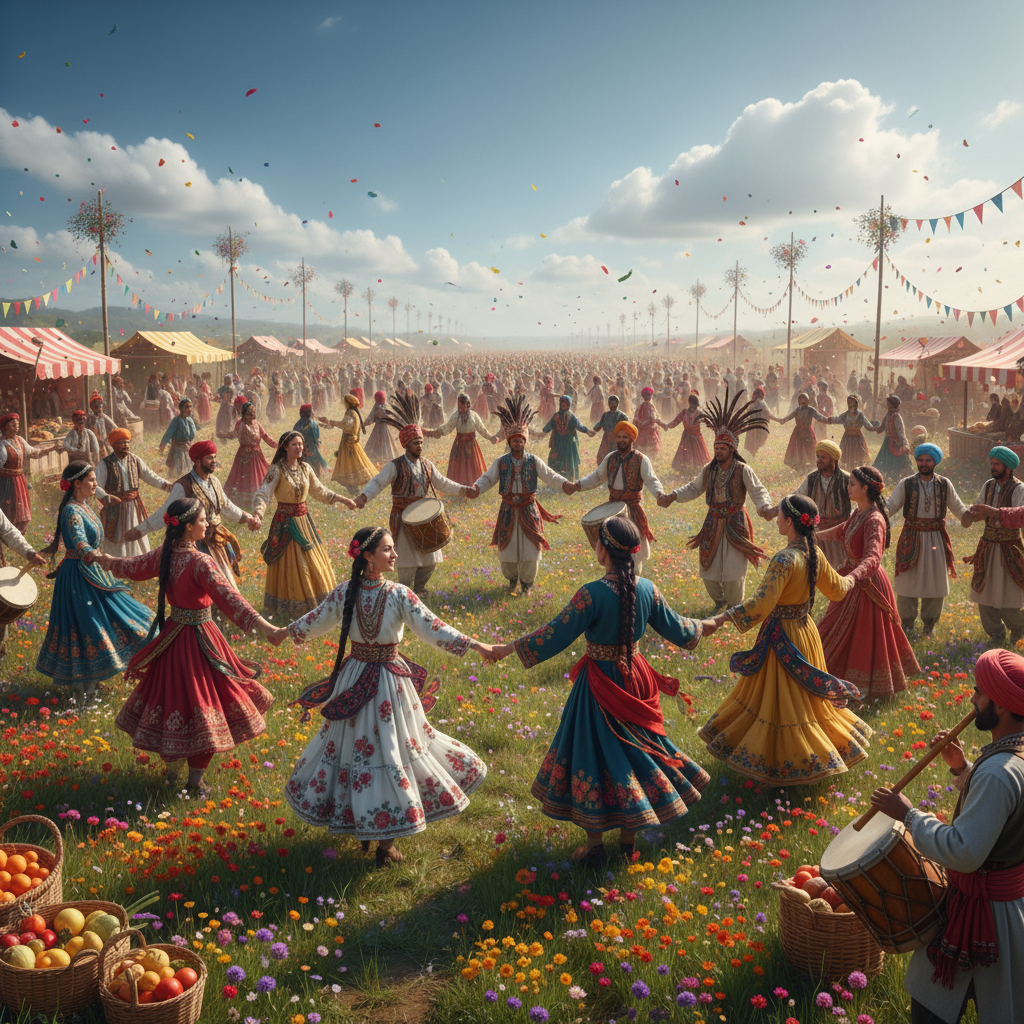
At the core of the experience is a vibrant display of local culture. You will not find massive, impersonal stage productions here. Instead, the focus is on accessible, community-driven art. Local musicians play acoustic sets under the shade of blossoming trees, creating a relaxing soundtrack for the day. Emerging artists display their paintings, sculptures, and crafts in open-air markets. These showcases provide creators with a supportive environment to share their work, while attendees get to experience authentic, localized talent.
Culinary Delights
Food is a universal connector, and it plays a vital role in these gatherings. Instead of generic carnival fare, the culinary offerings highlight regional flavors and sustainable practices. Local food trucks and pop-up stalls serve everything from gourmet sandwiches to plant-based delicacies. Farmers often set up booths featuring fresh, organic produce harvested just miles away. Sharing a meal prepared by a neighbor or a small local business fosters a profound sense of belonging and elevates the entire experience.
Interactive Workshops
Passive observation is rarely on the agenda. The environment is designed to encourage participation. Attendees of all ages can dive into hands-on activities that spark curiosity and creativity. You might find a pottery-making station, a community mural waiting for colorful contributions, or educational sessions on urban gardening. Guided nature walks are also incredibly popular, offering families a chance to learn about local flora and fauna from knowledgeable environmental enthusiasts.
Planning Your Visit: Tips and Tricks
Accommodation and Travel
Because these gatherings are inherently community-focused, they often take place in local parks, botanical gardens, or open neighborhood squares. If you are traveling from out of town to attend a specific region’s celebration, look for boutique lodgings or cozy rentals nearby. Opting for accommodations within walking or biking distance aligns perfectly with the event’s eco-friendly ethos. Public transportation is highly recommended to reduce traffic and minimize your carbon footprint.
Ticketing and Schedules
One of the most refreshing aspects of Springwaltersevent is its accessibility. Many of these gatherings are entirely free to the public, funded by local sponsorships or community grants. When tickets are required, they are usually very affordable and intended to cover basic organizational costs. Schedules are deliberately kept loose. While there might be designated times for specific workshops or musical performances, the overall structure encourages you to wander and explore at your own pace.
Insider Tips
To make the most of your day, arrive with an open mind and a relaxed agenda. Bring a comfortable picnic blanket, reusable water bottles, and weather-appropriate clothing. The best moments often happen spontaneously—striking up a conversation with a local artisan, joining an impromptu game of frisbee, or simply lying back and listening to the music. Embrace the organic flow of the day rather than rushing from one activity to the next.
The Economic and Cultural Impact
Local Economy Boost
When a community adopts this framework, the local economy sees a tangible benefit. The event acts as a powerful incubator for small businesses. Independent artisans, food vendors, and local performers gain valuable exposure to a captive, engaged audience. Attendees are highly encouraged to support homegrown talent, which keeps money circulating within the neighborhood. This financial injection can be crucial for small enterprises preparing for the busy summer season.
Community Building
Beyond the financial perks, the cultural impact is massive. The gathering serves as a catalyst for civic pride and neighborly connection. In a society where people often feel isolated despite being hyper-connected online, this physical space offers an antidote. It bridges generational gaps, welcoming everyone from toddlers to retirees. Local nonprofits use the platform to raise awareness for important causes, strengthening the social fabric of the area.
Testimonials and Personal Stories
Visitor Experiences
Those who attend often speak about the profound sense of ease they feel throughout the day. Visitors frequently describe the atmosphere as calming yet energizing. Families appreciate the safe, inclusive environment where children can run freely and engage in creative play. Many attendees note that the lack of intense crowds and high-pressure schedules allows them to genuinely relax and form meaningful connections with people they might otherwise never meet.
Organizer’s Perspective
For the volunteers and organizers behind the scenes, the motivation is deeply personal. Their vision is rooted in fostering relationships and celebrating the natural world. Organizers often express immense pride in seeing their community come together to support local talent. They emphasize that the true success of the day is not measured by profit margins or attendance records, but by the smiles, conversations, and collaborative spirit that fill the venue.
The Future of the Movement: Innovations and Aspirations
Upcoming Changes
As the concept continues to gain traction, you can expect to see exciting innovations in how these gatherings are structured. Organizers are exploring ways to integrate subtle digital enhancements without losing the physical charm. This might include interactive maps for locating specific artisan booths or digital archives where attendees can upload their favorite photos from the day. Furthermore, the framework is expanding, with more neighborhoods across the country planning to host their own unique iterations.
Sustainability Efforts
Environmental stewardship is already a core component, but future events aim to push these boundaries even further. Organizers are increasingly committing to zero-waste initiatives. This includes banning single-use plastics, providing extensive composting stations, and mandating that vendors use sustainable packaging. The goal is to ensure that the celebration of nature leaves absolutely no negative trace on the environment it honors.
Experience the Magic for Yourself
Springwaltersevent represents a beautiful shift in how we mark the changing of the seasons. It strips away the commercial excess of traditional festivals and replaces it with authenticity, creativity, and mutual respect. From the vibrant local art and delicious regional food to the profound sense of community, every element is designed to uplift and inspire.
There is a unique joy in slowing down, connecting with your neighbors, and appreciating the simple beauty of a spring day. If a gathering is happening in your area this season, do not miss the opportunity to participate. Step outside, support your local creators, and become part of a celebration that truly matters.